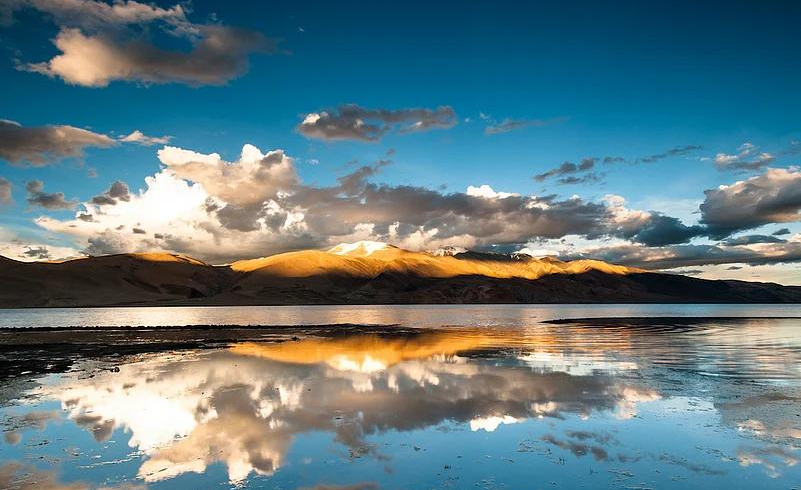
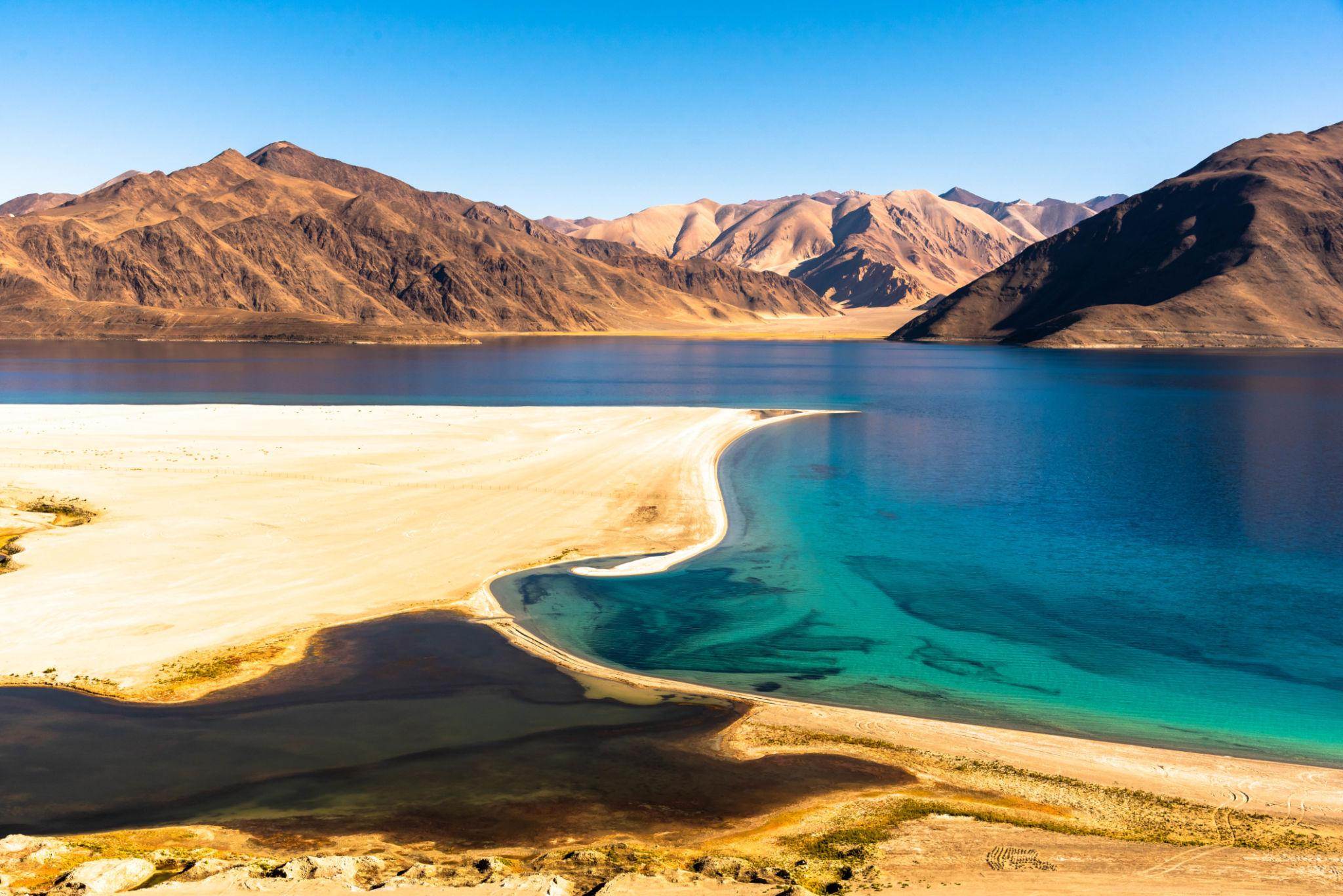



Discover the breathtaking beauty of Pangong Lake, one of the most famous and spectacular destinations in Leh Ladakh. Known for its crystal-clear blue waters and dramatic mountain surroundings, this high-altitude lake offers a truly unforgettable experience in the heart of the Himalayas.
Stretching across the beautiful Ladakh region, Pangong Lake is famous for its changing shades of blue, which create a magical view throughout the day. Surrounded by rugged mountains and vast open landscapes, the lake is a paradise for nature lovers, photographers and adventure seekers.
The journey to Pangong Lake is an adventure in itself, taking travellers through scenic mountain roads, high-altitude passes and breathtaking Himalayan landscapes. Every turn along the route offers incredible views and memorable photo opportunities.
Visitors can enjoy peaceful walks along the lakeshore, experience camping under the stars and witness spectacular sunrise and sunset views over the mountains. The calm atmosphere and untouched natural beauty make Pangong Lake one of the most peaceful places to visit in Ladakh.
Whether you are travelling with family, friends or on a solo adventure, Pangong Lake promises an unforgettable experience filled with natural beauty, peaceful surroundings and breathtaking Himalayan views. A visit to this iconic lake is truly a highlight of any journey through Leh Ladakh.
Overview
Travel is the movement of people between relatively distant geographical locations, and can involve travel by foot, bicycle, automobile, train, boat, bus, airplane, or other means, with or without luggage, and can be one way or round trip. Travel can also include relatively short stays between successive movements.
The origin of the word “travel” is most likely lost to history. The term “travel” may originate from the Old French word travail, which means ‘work’. According to the Merriam Webster dictionary, the first known use of the word travel was in the 14th century.
It also states that the word comes from Middle English travailen, travelen (which means to torment, labor, strive, journey) and earlier from Old French travailler (which means to work strenuously, toil). In English we still occasionally use the words “travail”, which means struggle. According to Simon Winchester in his book The Best Travelers’ Tales (2004), the words “travel” and “travail” both share an even more ancient root: a Roman instrument of torture called the tripalium (in Latin it means “three stakes”, as in to impale).